ABHEDA YOGA AKADEMIE
Was tun, um Schläfrigkeit zu vermeiden, wenn wir meditieren?
<>In der Tat, was können wir tun, um Schläfrigkeit jederzeit zu vermeiden? Es ähnelt dem Problem von Prâslea dem Kräftigen

<>In der Tat, was können wir tun, um Schläfrigkeit jederzeit zu vermeiden? Es ähnelt dem Problem von Prâslea dem Kräftigen
<>In effetti, cosa possiamo fare per evitare la sonnolenza in qualsiasi momento? Assomiglia al problema di Prâslea the Hefty in
<>De hecho, ¿qué podemos hacer para evitar la somnolencia en cualquier momento? Se asemeja al problema de Prâslea the Hefty

AUM BHUR BHUVAH SVAHA TAT SAVITUR VARENYAM BHARGO DEVASYA DHIMAHI DHIYO YO NAH PRACHODAYAT AUM Noi medităm asupra Gloriei
AUM BHUR BHUVAH SVAHA TAT SAVITUR VARENYAM BHARGO DEVASYA DHIMAHI DHIYO YO NAH PRACHODAYAT AUM Meditamos en la Gloria
AUM Bhur BHUVAH SVAHA TAT SAVITUR VARENYAM BHARGO DEVASYA DHIMAHI DHIYO YO NAH PRACHODAYAT AUM Wir meditieren über die
Aum BHUR BHUVAH SVAHA TAT SAVITUR VARENYAM BHARGO DEVASYA DHIMAHI DHIYO YO NAH PRACHODAYAT Aum We meditate on the
AUM भूर भुवाह स्वाहा टाट सविटूर वेरेन्याम BHARGO DEVASYA DHIMAHI धियो यो नाह प्रचोदयात AUM हम सर्वोच्च दिव्यता की
AUM Bhur BHUVAH SVAHA TAT SAVITUR VARENYAM BHARGO DEVASYA DHIMAHI DHIYO YO NAH PRACHODAYAT AUM Meditiamo sulla Gloria trascendentale

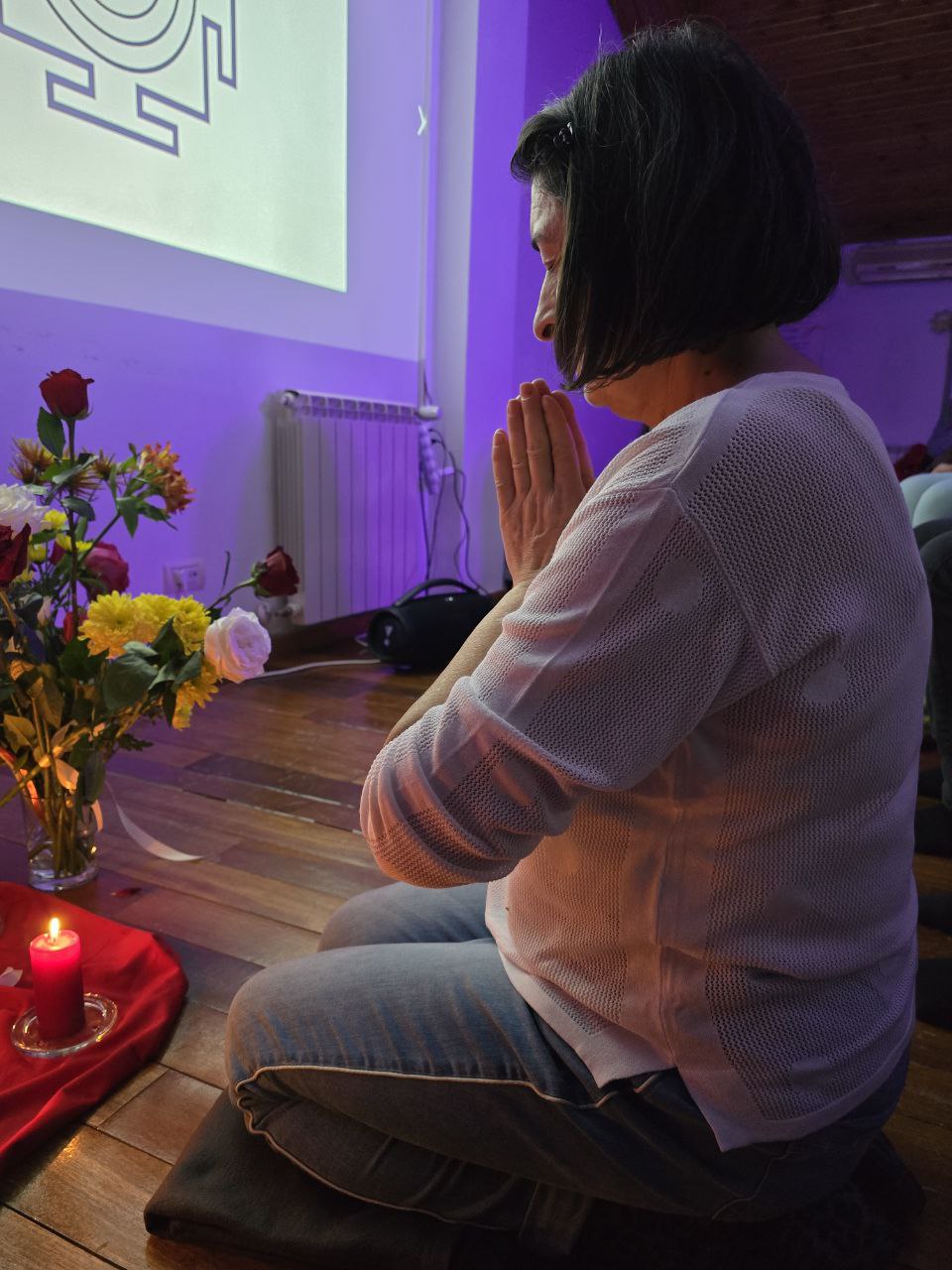
<> Am inceput meditatia in starea de Observator. Inainte de a incepe mi-am propus sa experimentez „Starea de a Fi”-
Comencé a meditar en el estado de observador. Antes de empezar decidí experimentar “El Estado de Ser” – no sabía
I started meditation in the observer state. Before I started I set out to experience “The State of Being” –
Ho iniziato la meditazione nello stato di osservatore. Prima di iniziare ho deciso di sperimentare “Lo stato dell’essere” – non
Ich begann im Beobachterzustand zu meditieren. Bevor ich anfing, beschloss ich, “The State of Being” zu erleben – ich wusste
मैंने पर्यवेक्षक अवस्था में ध्यान शुरू किया। शुरू करने से पहले मैंने “होने की स्थिति” का अनुभव करने का फैसला

,,Acest cuvand (OM) indica coexistenta sunetului articulat si nearticulat al inimii, si a melodiei care se aude si care nu se aude – a sunetului care reverbereaza si a sunetului care nu reverbereaza, Anahata Nada. Sunetul poate fi descris prin natura sa tripla – sunetul audibil, sunetul inaudibil si sunetul nepieritor. Sunetul audibil este acela care poate fi auzit de urechea umana. Sunetul inaudibil este acela care apartine octavelor mai inalte, sau mai joase, astefel incat nu poate fi sezi
,,This word (OM) indicates the coexistence of the articulated and unarticulated sound of the heart, and of the melody that is hearable and not hearable – of the reverberate sound and the non-reverberate sound, Anahata Nada. Sound can be described by its triple nature – audible sound, inaudible sound and everlasting sound. The audible sound is the one that can be heard by the human ear. The inaudible sound is that which belongs to the higher, or lower, octaves, so that they cannot be seated
“Dieses Wort (OM) weist auf die Koexistenz des artikulierten und unartikulierten Klangs des Herzens und der Melodie hin, die gehört wird und die nicht gehört wird – des Klangs, der nachhallt, und des Klangs, der nicht nachhallt, Anahata Nada. Klang kann durch seine dreifache Natur beschrieben werden – hörbarer Klang, unhörbarer Klang und ewiger Klang. Hörbares Geräusch ist das, was vom menschlichen Ohr gehört werden kann. Der unhörbare Klang ist derjenige, der zu den höheren oder unteren Oktaven gehört, so dass er nicht sitzen kann
“यह शब्द (ॐ) हृदय की स्पष्ट और अव्यक्त ध्वनि के सह-अस्तित्व को इंगित करता है, और उस राग का जो सुनाई देता है और जो सुनाई नहीं देता है – उस ध्वनि की जो गूंजती है और ध्वनि जो गूंजती नहीं है, अनाहत नाडा। ध्वनि को इसकी ट्रिपल प्रकृति द्वारा वर्णित किया जा सकता है – श्रव्य ध्वनि, अश्रव्य ध्वनि और अनन्त ध्वनि। श्रव्य ध्वनि वह है जिसे मानव कान द्वारा सुना जा सकता है। श्रव्य ध्वनि वह है जो उच्च या निचले अष्टक से संबंधित है, ताकि इसे बैठाया न जा सके
“Questa parola (OM) indica la coesistenza del suono articolato e inarticolato del cuore, e della melodia che si sente e che non si sente – del suono che riverbera e del suono che non riverbera, Anahata Nada. Il suono può essere descritto dalla sua triplice natura: suono udibile, suono non udibile e suono eterno. Il suono udibile è quello che può essere ascoltato dall’orecchio umano. Il suono non udibile è quello che appartiene alle ottave più alte o più basse, in modo che non possa essere seduto
“Esta palabra (OM) indica la coexistencia del sonido articulado e inarticulado del corazón, y de la melodía que se oye y que no se escucha, del sonido que reverbera y del sonido que no reverbera, Anahata Nada. El sonido se puede describir por su triple naturaleza: sonido audible, sonido inaudible y sonido eterno. El sonido audible es el que puede ser escuchado por el oído humano. El sonido inaudible es el que pertenece a las octavas más altas o más bajas, de modo que no se puede sentar.